
Drone detection field test: small drones spotted at up to 1.7 km with IP cameras and edge AI
ReconOS drone detection was field tested several times in Israel this summer. This report covers two of those trials, against real small drones over open sky and over hills and trees.
Day-channel detection range against sky, June 25 trial
Six distance steps flown at 50 m altitude
Detection algorithms in ReconOS: Detect Motion, Track Motion, Surface Detection
Company interventions while test controllers reported detections, July 27 evaluation
Why this test mattered
Small drones are easy to launch and hard to see
This drone detection field test asks one question: how early can a system spot a small drone? A small drone can close the distance fast. Spotting it early enough to react is the whole problem, and it is hardest when the drone is only a few pixels wide.
Fiber-optic FPV drones make it harder still. They fly on a physical fiber instead of a radio link, so radio-frequency detection and jamming cannot be the only layer. A drone detection system that looks for the drone itself, with cameras and AI tracking, closes that gap. That is what ReconOS is built to do, and it is what these trials were designed to measure.
The goal of this drone detection field test was simple. Show, on real flights and with real conditions, how early a ReconOS counter-UAS (C-UAS) detection setup can find a small drone, and where it still struggles. ReconOS has been tested several times; this report covers two of those trials, on June 25 and July 27, 2026.
The setup
Drone detection field test setup: a portable edge unit, standard IP cameras, three algorithms
Edge AI
ReconOps control unit
Runs on an NVIDIA Orin Nano (8 GB). Powers up to 4 PTZ cameras over network cable at distances of up to 300 m.
Cameras
Agnostic to IP cameras
June trial: PTZ X32 4 MP day channel with a thermal channel (10 mm lens, 192 × 256). Cameras can be swapped to fit the terrain.
Algorithms
ReconOS algorithms
Detect Motion finds change. Track Motion follows moving targets in air, sea and land. Surface Detection follows targets on a difficult background.
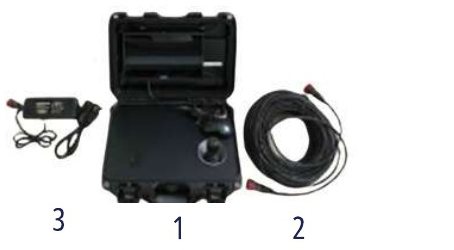
Why it matters in the field. The whole system packs into one case and processes video locally at the edge, and the cameras can be placed where the terrain gives the best view.
Because the unit is camera-agnostic, teams can use the cameras they already operate or add low-cost ones where coverage is thin.
Test 1 · June 25, 2026 · Adam Training Facility
Drone detection field test 1: how far can the system detect a small drone?
With other defense bodies present, drone operators flew a 5-inch drone at 50 m altitude and moved it away from the camera in steps during the first drone detection field test.
Range ladder built from the June 25 test report. White dots mark the distances flown. Results apply to this camera, this drone and these conditions.
The flight log
| Time | Distance from camera | Altitude |
|---|---|---|
| 13:47 | 150 m | 50 m |
| 14:04 | 300 m | 50 m |
| 14:05 | 400 m | 50 m |
| 14:10 | 500 m | 50 m |
| 14:13 | 700 m | 50 m |
| 14:21 | 1,600 m | 50 m |
The day channel, running the sub-pixel detection algorithm, demonstrated successful detection of a drone against open sky out to roughly 1.7 km. At that range the drone covers less than a single pixel, which is the challenge the sub-pixel algorithm was built for.
What the thermal channel showed
The thermal channel in this camera is a compact 192 × 256 sensor with a fixed 10 mm lens. It located the drone at under 400 m. Its value showed up in a different scenario: against a tree background, the thermal channel was the one that picked the drone out.
See it work
Drone detection field test footage: detection and tracking as the operator sees it
Test 2 · July 27, 2026 · Kerem Maharal
Drone detection field test 2: a controlled evaluation against other solutions
On July 27 the ReconOS system took part in a multi-vendor drone detection field test run by Israeli defense authorities, with the test set-up defined by the evaluators.
The task: detect a 10-inch drone against a vegetation background. The measure of success was the time from the start of the attack to the first detection. Each company was free to choose the type and position of its sensors. Control of the system was handed to the test controllers, who reported detections without any company intervention.
The scenarios
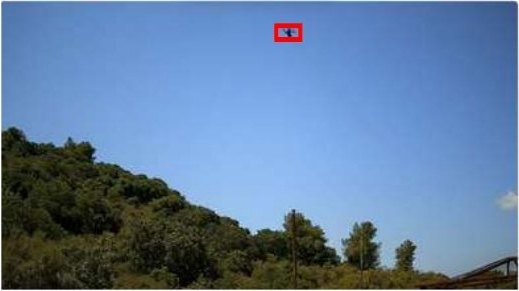
In scenarios 1 to 3, a drone flew along the hillside at three different distances from it, at altitudes of 15 m and 30 m. In further scenarios, drones attacked a target dome from three different directions.
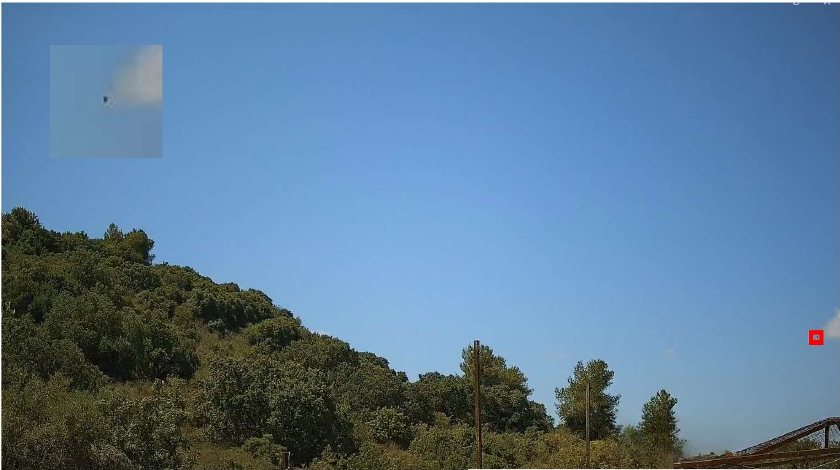
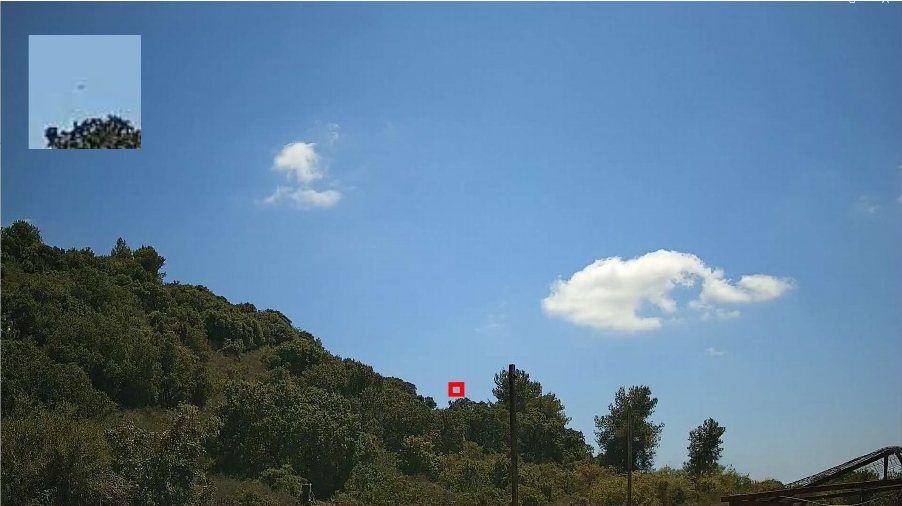
Two kinds of detection, one early warning
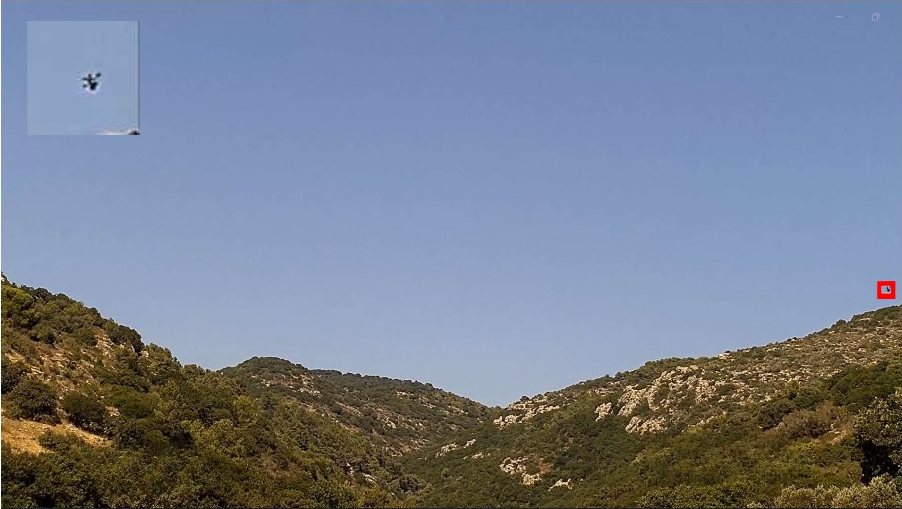
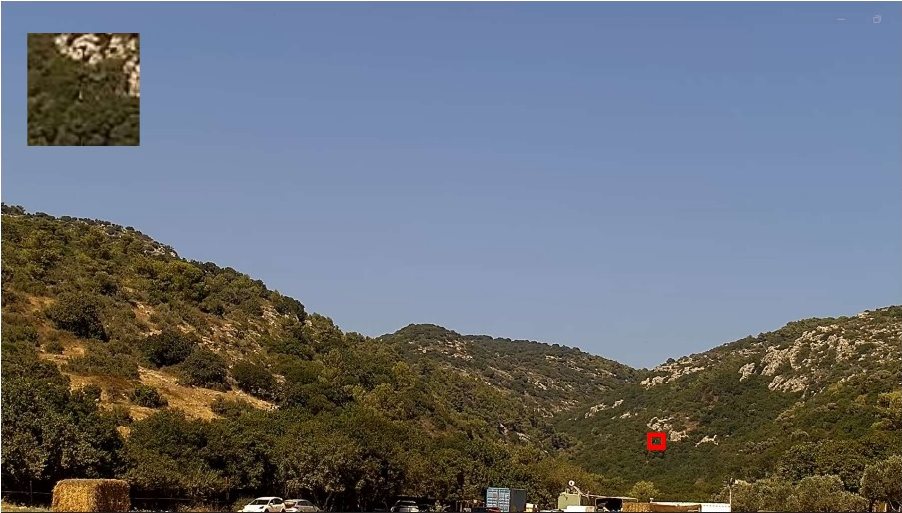
Against the sky, detections came from the Detect Motion algorithm. Against the hillside, they came from Track Motion. Placing a fixed camera alongside the hill removed much of the difficulty of the terrain background and allowed quality detections that were fast, in some cases several seconds ahead of the other solutions in the same evaluation. According to the test report, that gave the ReconOS system the longest warning time of the evaluation.
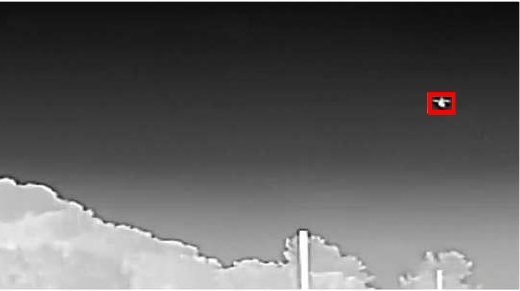
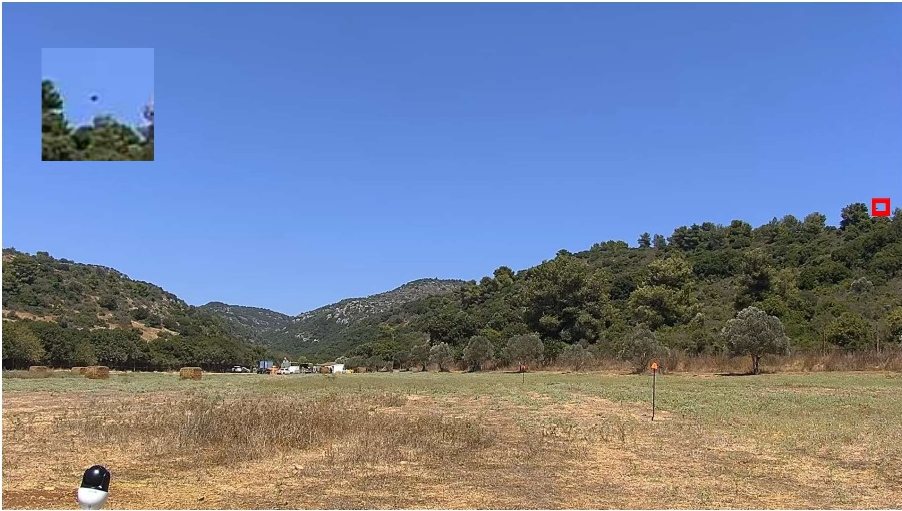
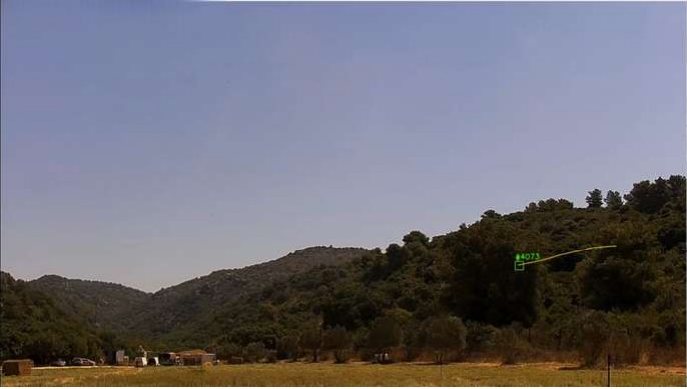
Attacks from the south, north and centre
To detect drones in the further scenarios, the team kept the cameras where they were and relied on the long-range detection of the PTZ cameras. Earlier trials had already shown that Detect Motion on these cameras can find drones from about 1.7 km, and positioning the cameras at a distance let them find the drones in every scenario.
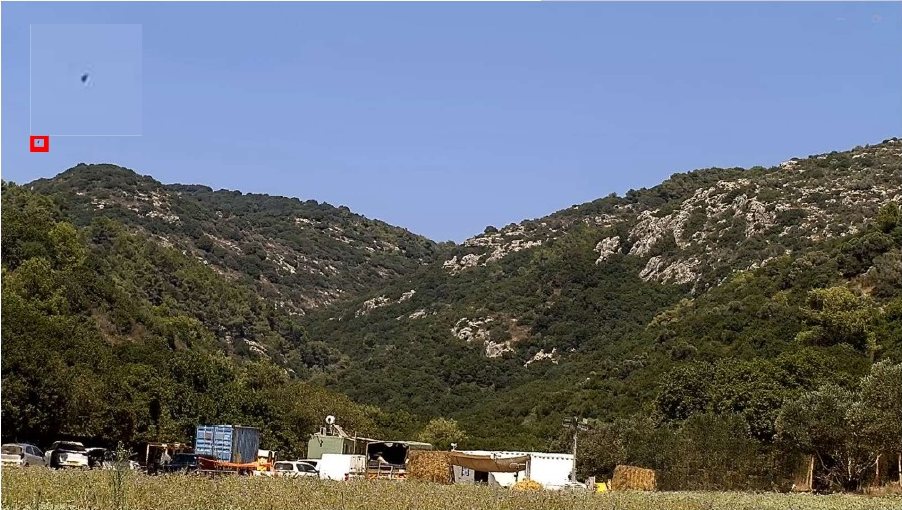
What we learned
Four lessons from the drone detection field test
1. No single algorithm wins every scenario
Sky backgrounds and terrain backgrounds need different methods. A mix of algorithms, which is what ReconOS provides, is what keeps detection fast and accurate across scenarios.
2. Sensor placement is part of the detection method
Detection against a complex background also brings false alarms. Being able to move the sensor and set its distance raises the chance of detection and cuts false alerts significantly.
3. Many low-cost sensors can beat one expensive one
Spreading inexpensive, widely available sensors across the area produced faster, more accurate detection than a single central sensor unit that is not tactical and typically costs tens of thousands of shekels.
4. Know your limits
Optical sensors need line of sight, and the compact thermal sensor used in June is best suited to shorter ranges. Knowing this is what lets a team place sensors, and add sensors, where they count.
What it means for ReconOS
From early detection to a clear operational picture
Detection is the first step. ReconOS turns detections from many cameras into one prioritized mission picture, so that the operator sees what needs attention first and with clear evidence. The system recommends. The operator decides.
The same approach supports airspace awareness, perimeter and facility security and tactical observation, on the cameras a team already runs. Learn more about ReconOS and ReconOps.
FAQ
Drone detection field test questions we hear most
How far can a camera-based drone detection system detect a small drone?
In the June 25 field test, the ReconOS day channel with a sub-pixel detection algorithm demonstrated detection of a small (5-inch) drone against open sky at about 1,700 m. Range depends on the camera, the background and the conditions.
Can thermal cameras detect drones?
Yes, within their range. The 192 x 256 thermal channel with a 10 mm lens used in the June test located the drone at under 400 m, and in the tree-background scenario it was the channel that picked the drone out.
How do you detect fiber-optic FPV drones?
They fly without a radio link, so detecting their signal is not enough. Optical and thermal detection with AI tracking looks for the drone itself, which is the approach tested here.
Does the system need special cameras?
No. The ReconOps edge unit is agnostic to IP cameras, so different cameras can be matched to the mission and the terrain.
Can a drone be detected against trees or terrain?
It is harder, and a drone fully hidden behind trees cannot be seen by any optical sensor. In the July evaluation, placing a fixed camera alongside the hill and using motion tracking gave early detections over terrain.
Next step
See ReconOS drone detection on your terrain
Tell us about your site and the cameras you already run. We will show you what detection and prioritization could look like for your operation.